
Introduction: Why Daily Visual Inspection of Pallet Truck Batteries Matters?
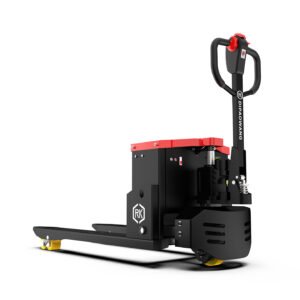
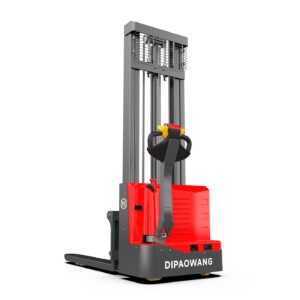
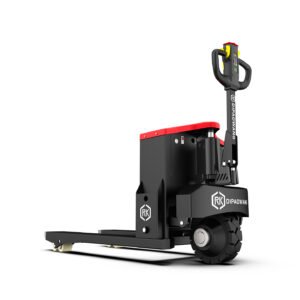
In warehousing, logistics, and production workshops, electric pallet trucks are core equipment for improving handling efficiency. As the “power heart” of these trucks, batteries directly determine the equipment’s endurance, operational stability, and operational safety. Neglecting daily battery inspections can quickly escalate minor issues into equipment failures and safety hazards (such as leakage corrosion, short-circuit fires), and even lead to operational interruptions and increased operating costs.
According to OSHA (Occupational Safety and Health Administration) standards and domestic logistics industry regulations, daily visual inspection of pallet truck batteries is a mandatory safe operation procedure . Through simple and intuitive visual inspections, potential problems such as external damage, leakage, and loose wiring can be detected in a timely manner, risks can be prevented in advance, battery service life can be extended (usually by 20%-30%), and the safety of operators and operational continuity can be ensured . Combining authoritative information from across the network and practical experience, this article compiles a directly implementable daily visual inspection checklist for warehouse managers and equipment operators.
Core: Daily Visual Inspection Checklist for Pallet Truck Batteries
Inspection Timing: 10 minutes before daily operation (before startup), completed by the equipment operator; a quick secondary review can be conducted after operation. Inspection Tools: Gloves (corrosion protection), flashlight (for dim environments), cleaning cloth (for simple cleaning).
- 1. External Integrity Inspection
- Inspection Content: Check if the battery case has cracks, bulges, deformation, or damage; check if the battery cover is intact, tightly closed, and not missing or loose.
- Judgment Standard: No damage or bulges on the case (bulges are usually caused by overcharging or internal faults), and the cover is intact and firmly fixed.
- Abnormal Handling: Immediately stop use if cracks or bulges are found, isolate the battery and contact maintenance personnel; do not continue charging or discharging.
- 2. Leakage and Corrosion Inspection
- Inspection Content: Check the battery case surface, terminals, wiring harnesses, and the area around the battery for liquid leakage (electrolyte or distilled water) and white/green corrosion crystals.
- Judgment Standard: No leakage traces, and no corrosion or dirt accumulation on terminals and wiring.
- Abnormal Handling: If leakage is found, immediately clean it with protective gloves, confirm the type of leakage (acidic/alkaline) and neutralize it; clean the corroded parts and check the connection integrity, replace terminals or wiring if severely corroded .
- 3. Electrolyte Level Inspection (Lead-Acid Batteries Only)
- Inspection Content: Observe the battery filling port (or liquid level scale line) to confirm if the electrolyte level is between the upper and lower limits (usually within the range of the filling cap’s upper and lower limits).
- Judgment Standard: The liquid level is between the scale lines, not lower than the lower limit (exposed plates will accelerate sulfation damage) and not higher than the upper limit (easy to overflow and corrode during charging).
- Abnormal Handling: Add distilled water (do not add tap water or electrolyte) if the liquid level is too low; slowly pump out excess liquid if the level is too high, and take protective measures during operation .
- 4. Wiring and Terminal Inspection
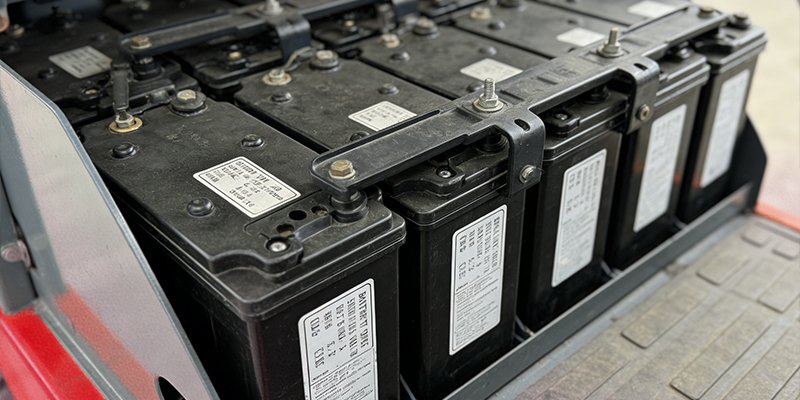
- Inspection Content: Check if the wiring terminals (positive and negative electrodes) are tight, without looseness, oxidation, or ablation marks; check if the wiring harness is intact, without damage, aging, breakage, or insulation layer peeling.
- Judgment Standard: Terminals are tight without looseness, surface is clean without oxidation (oxidation will increase contact resistance and cause overheating); the wiring harness is intact, and the insulation layer is not damaged.
- Abnormal Handling: Tighten loose terminals in a timely manner, clean oxidized parts with a special cleaner; immediately replace damaged wiring harnesses, and do not use them reluctantly .
- 5. Power Status Inspection
- Inspection Content: Observe the battery discharge indicator (fuel gauge) to confirm if the remaining power meets the daily operation needs.
- Judgment Standard: Power display ≥20% (immediately charge if below 20% to avoid deep discharge damaging the battery) .
- Abnormal Handling: Stop operation and charge in accordance with specifications when power is insufficient, and record charging time and power changes.
- 6. Charging Interface and Cable Inspection
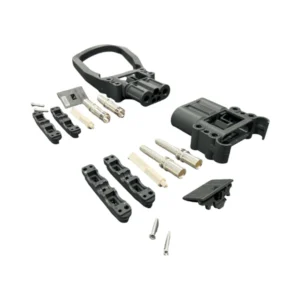
- Inspection Content: Check if the charging plug, socket, and connecting cable are intact, without damage, ablation, deformation, or looseness; check if there is no debris accumulation at the interface.
- Judgment Standard: The plug and socket are in good contact, the cable insulation layer is intact, and there are no exposed wires.
- Abnormal Handling: Immediately replace damaged interfaces or cables, and clean the interface debris before charging.
- 7. Cleanliness Inspection
- Inspection Content: Check if the battery surface, terminals, and surrounding areas are clean, without dust, debris, or oil accumulation.
- Judgment Standard: The surface is clean, without debris affecting heat dissipation or connection.
- Abnormal Handling: Wipe gently with a dry cloth, do not rinse the battery body directly with water.
Safety Operation and Maintenance Tips
- Always wear protective gloves during inspection to avoid direct contact with electrolyte or corroded parts; rinse with plenty of water immediately if contact occurs accidentally .
- Record and file daily inspection results to form an equipment maintenance account, which is convenient for tracing problems and formulating regular maintenance plans.
- Whether it is a lead-acid battery or a lithium-ion battery, follow the manufacturer’s operating guidelines; do not charge, disassemble, or modify in violation of regulations .
- Store batteries in a cool, dry, and ventilated area, avoid direct sunlight or proximity to high-temperature heat sources to prevent battery performance degradation .
Conclusion
Daily visual inspection of pallet truck batteries is a low-cost, high-return safety guarantee measure. By standardizing the implementation of the above inspection checklist, potential faults can be detected in a timely manner, avoiding equipment “operation with faults”, extending battery service life, reducing operating costs, and laying a solid foundation for the efficiency and safety of warehousing operations. It is recommended to post this checklist in a prominent location in the operation area to urge operators to develop a good habit of daily inspection, and let safety and efficiency run through the entire operation process.