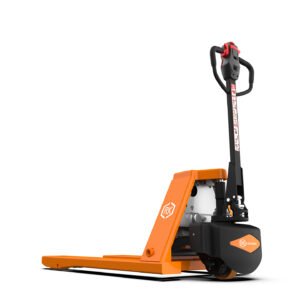
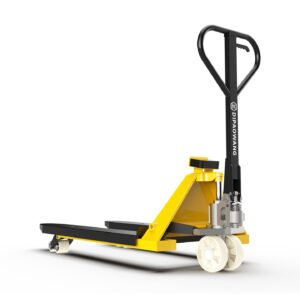
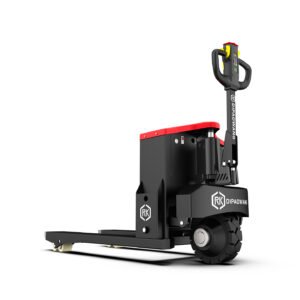
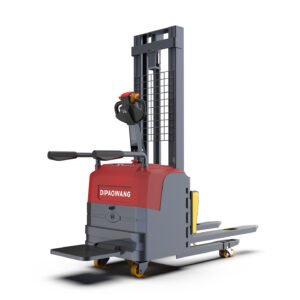
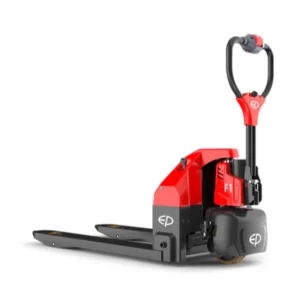

Guide to Choosing the Right Pallet Truck Wheels and Motors
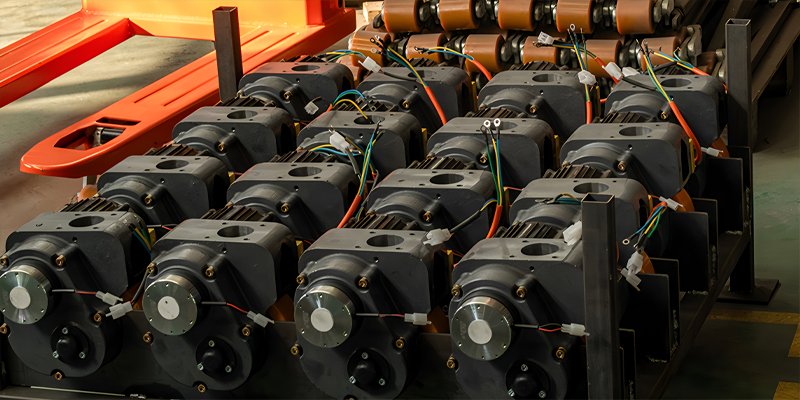
Published by DIPAOWANG(地跑王)- Your Trusted Partner for Electric Material Handling Solutions
Pallet trucks are the workhorses of warehouses, distribution centers, and manufacturing facilities worldwide. Whether you’re using manual or electric models, the wheels and motors are the critical components that directly impact performance, efficiency, safety, and operational costs. Choosing the right combination can significantly enhance productivity while reducing maintenance expenses. This comprehensive guide will walk you through everything you need to know to make an informed decision for your specific application needs, with insights from DIPAOWANG’s decades of experience in manufacturing high-quality electric pallet trucks, stackers, and forklifts.
Part 1: Choosing the Right Pallet Truck Wheels
The wheels of a pallet truck bear the entire weight of the load and the truck itself, while enabling smooth movement and maneuverability. Several key factors must be considered when selecting wheels, including material, size, load capacity and additional structural features.
1.1 Wheel Material: Matching to Your Floor and Environment
Polyurethane (PU) is a mainstream choice for most indoor scenarios, featuring quiet operation, excellent floor protection, good traction, effective shock absorption and strong wear resistance. Its only drawbacks are lower chemical resistance than nylon and a higher cost than rubber, making it ideal for indoor warehouses, clean rooms, retail stores and smooth concrete floors.
Nylon stands out for high load capacity, strong chemical resistance, puncture-proof performance and durability in cold or wet conditions. However, it operates with noticeable noise, may leave marks on soft floors and has poor shock absorption, which makes it suitable for outdoor use, rough concrete surfaces, industrial environments with chemicals or oil, and cold storage facilities.
Rubber delivers superior grip on wet or slippery surfaces, runs very quietly and has good shock absorption effects. Yet it is less durable than PU or nylon and has poor chemical resistance, fitting for indoor and outdoor areas with mixed floor conditions and places prone to water or oil spills.
Antistatic or conductive wheels are specially designed to prevent electrostatic discharge (ESD), and their performance limitations are consistent with their base materials. They are essential for electronics manufacturing workshops, explosive environments and pharmaceutical facilities with strict anti-static requirements.
DIPAOWANG Recommendation: For most indoor electric pallet truck applications, we recommend polyurethane wheels with 90-95A hardness for optimal performance and floor protection. For outdoor or harsh industrial environments, nylon wheels or polyurethane-coated nylon wheels provide better durability and adaptability.
1.2 Wheel Size and Load Capacity
Load capacity calculation is a core principle: each wheel must be rated for at least 1.25 times the maximum load per wheel, with both the truck weight and the load weight taken into account. For example, a 2-ton electric pallet truck with 4 wheels should have wheels rated for at least 625kg each, calculated by the formula (2000kg+truck weight)/4 × 1.25 safety factor.
Wheel diameter directly affects passability and maneuverability. Larger diameter wheels, typically 80-250mm for electric pallet trucks, roll more easily over obstacles and rough surfaces but may reduce maneuverability in tight spaces. Smaller wheels with a diameter of 60-80mm offer better maneuverability for narrow working areas but require more force to move.
Tread width is related to stability and floor pressure distribution. Wider tread provides better stability and uniform load distribution, effectively reducing floor pressure and avoiding damage to the ground. Narrow tread is more flexible in maneuvering but may sink into soft surfaces and is not suitable for heavy load operation.
DIPAOWANG Standard: Our 1.5-ton electric pallet trucks use 80mm diameter polyurethane wheels with a 70mm tread width, while our 2-ton models are equipped with 100mm diameter wheels to further enhance load capacity and operational stability.
1.3 Additional Wheel Considerations
Bearing type should be matched to load conditions: ball bearings are suitable for light loads and pursuit of smooth operation, while roller bearings are designed for heavy loads and long-term durability. Sealed bearings with IP54 or higher protection are essential for dusty or wet working environments to prevent dust and water from entering and damaging the bearing structure.
There is a clear functional division between steering wheels and load wheels: steering wheels, typically at the rear of the pallet truck, should prioritize good maneuverability to ensure flexible turning in narrow spaces; load wheels, located at the front under the forks, need to focus on maximum load capacity and structural stability to bear the main weight of the cargo and the truck.
Temperature resistance must adapt to the operating environment. It is necessary to ensure that the selected wheels can withstand the actual operating temperature range of the site. Standard wheels are generally applicable to -30°C to +50°C, and special high or low temperature resistant wheels can be customized for extreme temperature working conditions such as high-temperature workshops or ultra-low temperature cold storage.
Part 2: Choosing the Right Pallet Truck Motors
For electric pallet trucks, two types of motors are typically required: drive motors for propulsion and lifting motors for raising or lowering the forks. Selecting the right motor is crucial for the overall performance, energy efficiency and service life of the pallet truck. Key selection factors include motor type, power, torque and matching compatibility.
2.1 Motor Types: AC vs. DC vs. Brushless DC (BLDC)
DC Brushed motors have the advantages of low initial cost, high starting torque and a simple control system, which makes them a common choice for budget-friendly equipment. However, they require regular brush replacement due to wear, have relatively lower energy efficiency and a shorter overall lifespan, making them suitable for models with limited budgets, short operational cycles and light-duty applications.
DC Brushless (BLDC) motors are the mainstream choice for mid-to-high-end electric pallet trucks, with a high efficiency of up to 90%, a longer service life and maintenance-free operation, and also support more precise speed control. The only disadvantages are a higher initial cost and the need for a more complex dedicated controller. They are ideal for heavy-duty use, long operational hours and scenarios with high requirements for energy efficiency and stability.
AC Induction motors feature maximum durability, the highest energy efficiency and excellent performance in harsh working environments, and also achieve full maintenance-free operation. Their drawbacks are the highest initial cost, a more complex control system and a relatively larger size and volume. They are mainly used for heavy-duty industrial pallet trucks, outdoor operation and working conditions with extreme temperature changes and harsh environmental factors.
DIPAOWANG Innovation: All our electric pallet trucks are equipped with brushless DC (BLDC) motors as standard. This technology provides 20% higher efficiency than traditional DC brushed motors, reduces long-term maintenance costs by eliminating the need for brush replacement, and offers smoother acceleration and better battery life, with up to 30% longer runtime per charge.
2.2 Motor Power and Torque Requirements
Drive motor power is matched according to the pallet truck’s load capacity and working conditions: for 1.5-ton electric pallet trucks, the standard drive motor power is 0.75kW, and 1.0kW for heavy-duty use or steep ramps; for 2-ton electric pallet trucks, the standard power is 1.0kW, and 1.5kW for heavy-duty use or steep ramps. In general, motor power needs to be increased with the rise of load capacity, operational speed and ramp incline, and an additional 1kW of power is required for every 5° incline when carrying heavy loads.
Lifting motor power is designed based on load capacity and lifting efficiency: the standard lifting motor power for 1.5-ton electric pallet trucks is 0.5kW, and 0.8kW for 2-ton models. The optimal lifting speed for electric pallet trucks is between 3-5m/min, which balances lifting efficiency and operational stability to achieve the best productivity.
High starting torque is an essential performance requirement for pallet truck motors, which is crucial for moving heavy loads from a standstill and climbing ramps smoothly. BLDC motors have excellent torque characteristics across the entire speed range, maintaining stable and strong torque output whether starting at low speed or running at high speed, fully meeting the actual operational needs of pallet trucks.
DIPAOWANG Standard Motors: Our CBD15 (1.5-ton) model features a 0.75kW BLDC drive motor and 0.5kW BLDC lifting motor, while our CBD20 (2-ton) model is upgraded to a 1.0kW drive motor and 0.8kW lifting motor, ensuring powerful and stable performance even on 3° ramps with full loads.
2.3 Additional Motor Considerations
Voltage and battery compatibility is a basic matching principle: most electric pallet trucks use 24V or 48V power systems, 24V for light-to-medium duty operation and 48V for heavy-duty long-term work. It is necessary to ensure that the motor voltage is completely consistent with the battery voltage to avoid damage to the motor or control system caused by voltage mismatch.
Protection rating needs to adapt to the working environment: the minimum protection rating for motors used in dusty environments is IP54, and IP65 or higher is required for wet or harsh working conditions with water splashes and heavy dust. All DIPAOWANG motors have IP55 protection as standard, which effectively prevents dust and water from entering and ensures stable operation in various common industrial environments.
Thermal protection is a necessary safety feature: overload protection devices and temperature sensors are essential components of the motor, which can automatically monitor the motor’s operating temperature and load status, and trigger the protection mechanism in time to prevent motor burnout during long-term heavy use and ensure operational safety.
Controller compatibility directly affects performance: the motor must be fully compatible with the electronic controller of the pallet truck, which is the premise to realize optimal performance, precise speed control and high energy efficiency. In the selection process, it is necessary to ensure that the motor and controller are matched in model and parameter.
Part 3: Step-by-Step Selection Process
Follow these steps to ensure you select the perfect wheels and motors for your pallet truck application, combining actual working needs and technical parameters for a scientific and rational selection:
Define Your Requirements: Clearly determine the core parameters such as load capacity, operational environment including floor type, temperature, humidity, chemical contact, required speed, maneuverability constraints in narrow spaces, and budget range.
Select Wheel Material and Size: Based on the actual floor type and load capacity of the site, select the most suitable wheel material, matching diameter, tread width and bearing type to ensure adaptability to the working environment.
Calculate Motor Power Requirements: According to the load capacity, ramp incline, required operational speed and daily working cycle, accurately calculate the power requirements of the drive motor and lifting motor, and reserve a reasonable safety margin.
Choose Motor Type: Combined with the budget, daily maintenance requirements and actual performance needs of the enterprise, select the most appropriate motor type among DC brushed, BLDC and AC induction motors.
Verify Compatibility: Check and verify the structural compatibility between the selected wheels and the truck’s axle design, and ensure that the motor parameters are fully compatible with the battery voltage and controller system to avoid subsequent installation and operation problems.
Test and Validate: Conduct field tests under the actual operating conditions of the site to verify the actual performance, energy efficiency and structural durability of the selected wheels and motors, and adjust and optimize the selection according to the test results.
Part 4: Common Mistakes to Avoid
Under-sizing Motors/Wheels: This is the most common mistake in the selection process, which will lead to premature component failure, poor overall performance of the pallet truck and even potential safety hazards during operation. It is necessary to always factor in a 1.25-1.5 safety margin for load capacity and motor power when selecting.
Ignoring Environmental Factors: Failing to fully consider the actual environmental factors such as temperature, chemical contact, moisture or dust in the working site will drastically reduce the service life of wheels and motors, and even lead to sudden failure during use.
Overlooking Maintenance Requirements: DC brushed motors require regular brush replacement according to the wear condition, and wheels need periodic lubrication and structural inspection. If the enterprise wants to minimize equipment downtime and reduce daily maintenance costs, it is recommended to choose maintenance-free options such as BLDC motors and sealed bearings.
Focusing Only on Initial Cost: While the budget is an important consideration factor, overpursuing low initial cost and ignoring the quality and performance of components will lead to high subsequent maintenance and replacement costs. Investing in higher-quality components such as BLDC motors and polyurethane wheels can save significant money in the long run through reduced maintenance and replacement costs.
Conclusion
Selecting the right wheels and motors for your pallet truck is a critical decision that directly impacts the daily productivity, operational safety and long-term operational costs of the enterprise. By carefully evaluating your specific application requirements, fully considering all the factors outlined in this guide, and choosing high-quality components from trusted manufacturers like DIPAOWANG, you can ensure your pallet trucks deliver reliable and stable performance and maximum return on investment for years to come.
For more personalized advice or to explore our range of electric pallet trucks equipped with optimal wheel and motor configurations, contact the DIPAOWANG team today. We’re committed to helping you find the perfect material handling solutions for your business needs.
About DIPAOWANG: DIPAOWANG is a leading manufacturer of electric material handling equipment, specializing in electric pallet trucks, stackers, and forklifts. With a focus on innovation, quality, and customer satisfaction, we provide reliable and customized solutions for warehouses, logistics centers, and manufacturing facilities worldwide.