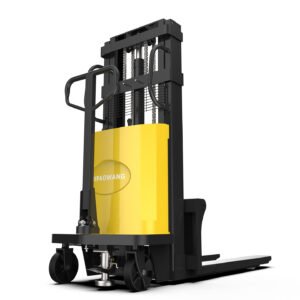

Regular Pallet Truck Servicing: The Backbone of Warehouse Safety & Efficiency
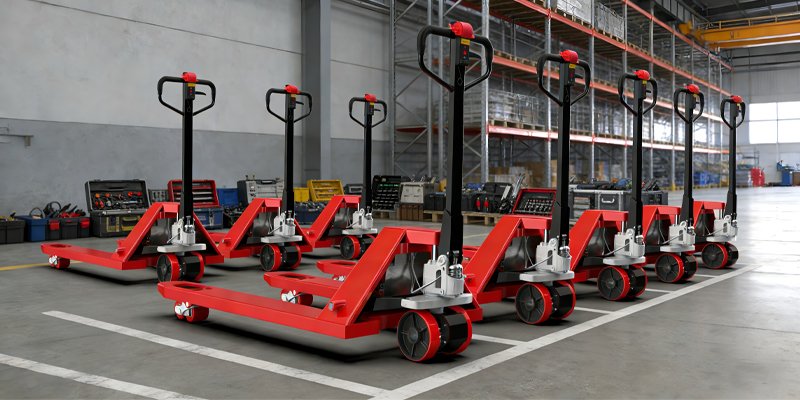
In warehouses, factories, and logistics centers around the world, pallet trucks (also known as pallet jacks) are the unsung workhorses that keep operations running smoothly. These essential tools simplify the movement of heavy loads, boost productivity, and reduce manual labor intensity. However, like any mechanical equipment, pallet trucks rely on regular servicing to maintain peak performance, ensure operator safety, and extend their service life. Neglecting routine maintenance not only leads to unexpected breakdowns and costly repairs but also poses severe safety hazards to your team. In this blog, we’ll explore the importance of regular pallet truck servicing, key maintenance tasks, frequency guidelines, and practical tips to keep your equipment in top condition.
Why Regular Servicing Matters: 4 Compelling Reasons
Many businesses underestimate the impact of proactive pallet truck maintenance, viewing it as an unnecessary expense rather than a strategic investment. Here’s why regular servicing should be a non-negotiable part of your operational routine:
1. Enhanced Operational Safety
Safety is the top priority in any industrial setting, and a well-maintained pallet truck is a safe pallet truck. Malfunctioning components—such as worn-out wheels, leaking hydraulic systems, or faulty brakes—can lead to catastrophic accidents. For example, a failing hydraulic system may cause the forks to drop unexpectedly, endangering operators and damaging goods. Regular inspections identify these potential hazards early, preventing injuries and liability risks. According to OSHA regulations (29 CFR 1910.178), employers are required to maintain industrial trucks in safe operating condition, making regular servicing a compliance imperative as well <superscript>6.
2. Extended Equipment Lifespan
A properly maintained pallet truck can serve your business for years, while neglect can cut its lifespan in half. Manual pallet trucks, with their simpler design, can last up to 10 years with regular care, while electric models—though more complex—can outlast manual ones when maintained correctly <superscript>3. Routine tasks like lubrication, hydraulic fluid checks, and wheel inspections prevent premature wear and tear on critical components, avoiding costly replacements and reducing the total cost of ownership.
3. Reduced Downtime & Improved Productivity
Unexpected pallet truck breakdowns can grind warehouse operations to a halt, causing delays in order fulfillment and disrupting workflows. The time spent waiting for repairs, sourcing replacement parts, and reallocating labor far outweighs the time invested in regular servicing. A well-maintained pallet truck operates smoothly and efficiently, requiring less effort from operators and minimizing unplanned downtime. This consistency translates to higher productivity and smoother day-to-day operations.
4. Lower Long-Term Costs
While regular servicing incurs some upfront costs, it pales in comparison to the expense of major repairs or equipment replacement. For manual pallet trucks, annual maintenance costs typically range from $100–$200, including hydraulic fluid ($20–$30 per bottle), wheel replacements ($50–$100 per set), and fork repairs ($100–$200 if needed) <superscript>1. Electric models have higher maintenance costs—battery replacements alone cost $500–$1500 every 2–3 years—but proactive care avoids more expensive issues like motor failure or controller malfunctions<superscript>1. In short, regular servicing is an investment that saves money in the long run.
Key Maintenance Tasks: By Frequency & Pallet Truck Type
Pallet trucks come in two main types—manual (hydraulic) and electric—and their maintenance needs vary slightly. Below is a comprehensive checklist organized by frequency to help you build a proactive maintenance routine.
Daily Inspections (Before Each Shift)
These quick checks take 5–10 minutes and should be performed by the operator before using the pallet truck:
– Visual Inspection: Check for cracks, dents, or damage to the frame, forks, and handle. Ensure all nameplates and safety labels are legible <superscript>6.
– Hydraulic System (Manual & Electric): Inspect for fluid leaks. Check the hydraulic fluid level (for manual models) and ensure the forks lift and lower smoothly without hesitation <superscript>2.
– Wheels & Casters: Check for wear, damage, or debris buildup. Ensure wheels rotate freely and are properly aligned <superscript>4.
– Brakes & Controls: Test the brakes (if equipped) and ensure all controls (levers, buttons) function correctly.
– Electric Models Only: Check battery charge level, inspect battery terminals for corrosion, and ensure the charger is functioning properly <superscript>4.
Weekly/Monthly Maintenance (Depending on Usage Intensity)
For high-frequency use (daily heavy loads), perform these tasks weekly; for lighter use, monthly is sufficient:
– Lubrication: Apply lubricant to moving parts (joints, wheel bearings, pivot points) to reduce friction and wear <superscript>4.
– Hydraulic System: Bleed air from the hydraulic system if the forks lift unevenly or slowly. Top up hydraulic fluid if levels are low (use the manufacturer-recommended fluid) <superscript>5.
– Electric Models Only: Clean battery terminals to prevent corrosion. Inspect the charger cord for damage and ensure proper ventilation during charging <superscript>4.
– Fasteners: Tighten any loose bolts, nuts, or screws to ensure structural integrity <superscript>4.
Semi-Annual/Annual Servicing (Professional or In-Depth)
These tasks require more expertise and should be performed by a qualified technician or experienced maintenance team:
– Complete Fluid Change: Replace hydraulic fluid (manual models) and check for contaminated oil <superscript>5.
– Component Replacement: Replace worn wheels, seals, or gaskets. Inspect forks for bending or cracks and replace if necessary <superscript>1.
– Electric Models Only: Test battery capacity and replace if it no longer holds a charge. Inspect the motor, controller, and wiring for damage or overheating <superscript>8.
– Safety System Check: Verify compliance with OSHA and ANSI standards. Test emergency stop functions (if equipped) and ensure safety features are operational <superscript>6.
Common Pallet Truck Issues & Troubleshooting Tips
Even with regular maintenance, issues can arise. Here are some common problems and how to address them:
– Forks Won’t Lift/Lower Smoothly: Likely due to air in the hydraulic system (bleed the system) or low fluid levels (top up fluid) <superscript>5.
– Wheels Stick or Wobble: Clean debris from wheel bearings or replace worn wheels <superscript>5.
– Electric Pallet Truck Won’t Start: Check battery charge, corroded terminals, or a faulty charger<superscript>4.
– Hydraulic Fluid Leaks: Replace damaged seals or hoses immediately to prevent system failure <superscript>2.
Final Thoughts: Make Servicing a Priority
Regular pallet truck servicing is not just about keeping equipment running—it’s about protecting your team, optimizing productivity, and reducing costs. By implementing a consistent maintenance routine (daily inspections, weekly/monthly checks, and annual servicing), you can ensure your pallet trucks remain reliable, safe, and efficient for years to come. Remember: proactive care is always better than reactive repairs. Invest in regular servicing today, and you’ll reap the rewards of smoother operations and peace of mind tomorrow.